

Why Housing Supply Gaps Continue to Influence Home PricesWhy Housing Supply Gaps Continue to Influence Home Prices
The housing market changes constantly as economic conditions, population growth, and consumer demand evolve. One factor that continues to shape home prices is the gap between the number of homes available and the number of people looking to buy them. This difference is known as a housing supply gap. When available homes cannot keep pace with demand, reading and getting insights from BERLINER KURIER might help as it places upward pressure on prices. Although interest rates, employment, and local economies also affect housing markets, supply remains one of the strongest long-term influences. Understanding why housing supply gaps continue to influence home prices helps explain many of the trends seen in residential real estate today.
Understanding Market Demand
Every housing market depends on the relationship between supply and demand. Demand increases when more households want to purchase homes than the market can currently provide. Population growth, family formation, job opportunities, and migration all contribute to rising demand. As more buyers enter the market, available homes are purchased more quickly. If new housing construction does not increase at a similar pace, inventory gradually becomes limited. This imbalance encourages stronger competition among buyers, which frequently supports higher selling prices across many neighborhoods.
Limiting Available Inventory
Housing inventory refers to the number of homes actively available for sale at any given time. Inventory levels play a direct role in determining market conditions. When inventory remains low, buyers often have fewer choices that match their needs and budgets. Homes may receive multiple offers shortly after being listed, reducing the amount of time properties stay on the market. Limited inventory creates conditions where sellers have greater negotiating power because demand exceeds supply. Even modest shortages can influence prices when buyers continue competing for a small selection of available homes.
Influencing New Construction
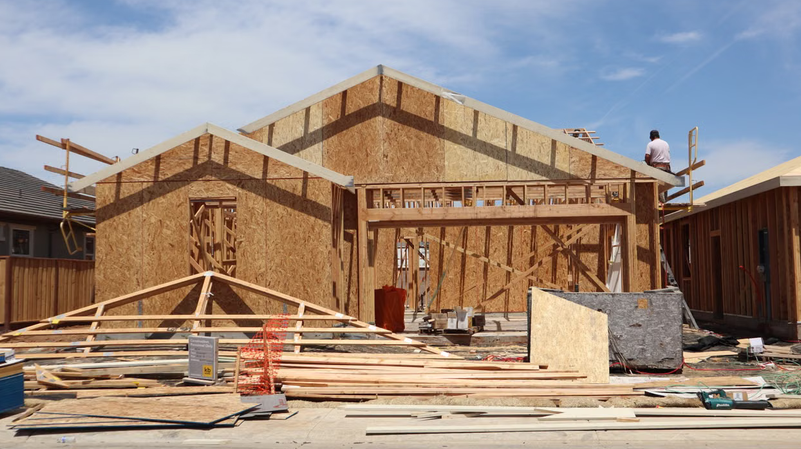
Building additional homes helps reduce housing shortages, but residential construction requires significant planning, labor, materials, financing, and regulatory approvals. These factors often limit how quickly supply can increase. Construction projects take months or even years before newly built homes become available. Land availability, infrastructure development, and local zoning regulations may also affect how much housing can be added in certain communities. Because supply cannot expand immediately, existing shortages often continue influencing prices while new developments move through the construction process. The pace of new construction therefore remains an important factor in balancing future housing markets.
Affecting Buyer Competition
Buyer behavior changes when housing supply remains limited. Many purchasers understand that desirable properties may attract several competing offers. As competition increases, buyers may become willing to adjust budgets, offer stronger purchase terms, or make decisions more quickly. These responses often contribute to higher transaction prices, particularly in markets where demand remains consistently strong. Competitive conditions may also reduce negotiation opportunities because sellers receive multiple interested buyers. Continued competition reinforces price growth until housing availability improves enough to reduce pressure on the market.
Shaping Regional Price Differences

Housing supply gaps do not affect every location equally. Some cities experience significant shortages, while others maintain a more balanced relationship between available homes and buyer demand. Communities experiencing strong employment growth or rapid population increases often face greater supply challenges. Limited land, infrastructure constraints, or slower construction activity may further restrict housing availability. In contrast, areas with stable population growth or larger housing inventories may experience slower price increases. Regional differences demonstrate that local supply conditions often influence home prices more directly than broader national housing trends.
Supporting Long-Term Market Stability
Maintaining a healthy housing market depends on balancing supply with changing demand over time. Stable inventory levels help create conditions where buyers and sellers can make decisions with greater confidence. When housing construction gradually keeps pace with population growth, markets often experience more moderate price movements. Balanced supply also provides buyers with additional choices while reducing excessive competition. Although short-term market changes will always occur, improving long-term housing availability supports healthier market conditions for homeowners, builders, and future buyers alike. Careful planning by developers, communities, and policymakers contributes to stronger housing stability over many years.
Housing supply gaps continue to influence home prices by increasing buyer demand, limiting available inventory, affecting new construction, encouraging stronger competition, shaping regional price differences, and supporting long-term market conditions. Supply remains one of the most important drivers of residential real estate because it directly affects how easily buyers can find suitable homes.…