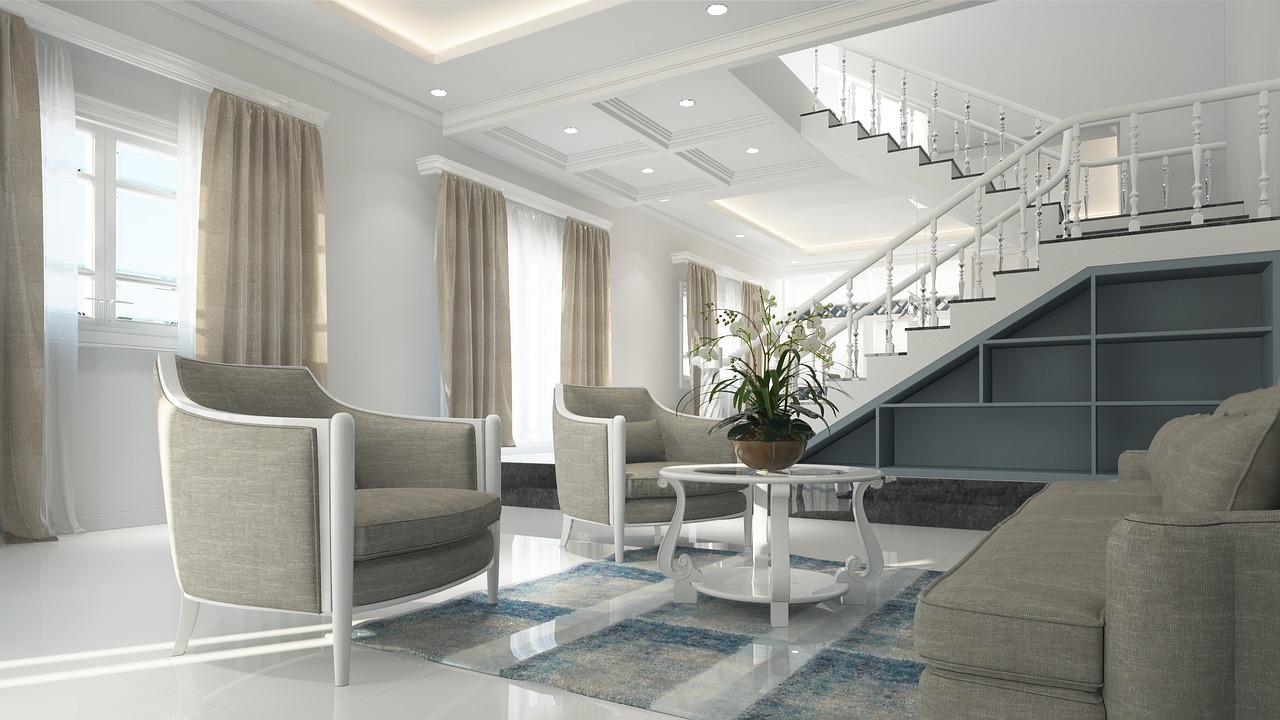
Harmony in interior design is the invisible thread that connects every part of a room. It’s what makes a space feel calm, balanced, and whole. You might not be able to name it when you walk in, but you can feel it. It’s that moment when nothing stands out awkwardly, and everything just fits even when pieces are different. Harmony isn’t about matching. It’s about creating a relationship between things. When done right, it turns a collection of items into a unified experience. For those looking for tips for achieving harmony in home design, repeat colors in different areas, balance shapes and sizes, and make sure each element feels connected in mood or tone. Keep furniture and decor aligned with the room’s function to support both flow and comfort.
The Basics of Harmony
Harmony in design means everything in a space works together. That includes furniture, colors, textures, shapes, and even how the space is used. It doesn’t mean every item must look the same. Instead, it’s about how these elements relate. When a room is in harmony, nothing feels forced or out of place. The eye moves comfortably from one area to the next. There’s no tension, no distraction. Just a sense of ease.
Why Harmony Matters
Without harmony, a space feels unsettled. Even if it’s full of beautiful things, it might still look busy or disconnected. That can affect how people feel when they’re in it. Harmony helps ground the room. It supports function and comfort. It makes sure that style doesn’t get in the way of living. And while it’s easy to focus on standout pieces, the real success of a room often comes down to how everything works as a whole.

Color as a Connector
Color is one of the most effective tools for achieving harmony. That doesn’t mean using the same shade on every wall or piece of furniture. It’s about building a palette where tones complement rather than compete. Soft transitions between hues can create a calming effect. Repeating certain colors in different parts of the room on a rug, in artwork, or through accents can help tie it all together. This repetition helps guide the eye and brings unity to the design.
Shape and Scale
Shapes and proportions also play a role. A room full of oversized furniture might feel crowded. A space with only small, delicate items could seem sparse. The key is balance. Combine different shapes and sizes, but keep their relationships in mind. If your sofa has soft, rounded arms, a coffee table with similar curves will echo that form. If one piece is bold or angular, soften it with other elements. These small choices help ensure the parts support the whole.
Texture and Material Consistency
Just like color and shape, textures can build harmony. Combining too many textures without a clear relationship can make a space feel chaotic. Stick to a few key materials and echo them in different areas. For example, if you have natural wood on a dining table, use the same tone or grain on a shelf or picture frame. Mix in contrast sparingly like linen against metal or stone but use these differences to support the room’s feel, not fight against it.
Function Supports Flow
Harmony isn’t only visual. It’s also practical. A harmonious room should feel good to live in. That means items are placed where they make sense, and traffic flow feels natural. If you’re constantly bumping into furniture or straining to reach something, the space isn’t working. Good layout choices ensure the room supports daily life. It should reflect how you use it, not just how you want it to look. This blend of beauty and purpose is where harmony truly shines.
Personal Touches, Not Clutter
You don’t have to hide your personality to create a harmonious room. Harmony thrives on personal expression when it’s done thoughtfully. Include unique pieces, family items, or meaningful artwork, but place them intentionally. Let them be part of the larger story the space tells. Random decor can interrupt the flow, while carefully chosen elements can add richness and meaning. Harmony allows space for individuality, but with the utmost consideration for balance.
In Conclusion
Creating harmony in interior design doesn’t mean following a strict formula. It’s more about feeling than rules. Trust your eye, but also step back and look at the space as a whole. Ask yourself: Does this room feel calm? Do the pieces relate? Is anything visually jarring? Adjust from ther…
While most companies have taken measures to improve workplace hygiene and social distance since the Covid-19 outbreak, according to officefinder.com employers need to consider long-term ways to improve the health and well-being of their employees. Many individuals and companies realize the benefits of teleworking. Offices need to be more pleasant and hygienic to attract employees and promote a productive working environment. Anyone who has ever worked in an office knows that it can be a breeding ground for illness. That is why the term ‘sick building syndrome’ was coined before the Covid 19 epidemic. Here are some tips for designing suitable workplaces for office work, even after and during the Covid-10 pandemic.
Change of Equipment
One thing is sure: awareness of the spread of infectious diseases has increased. Hygiene is likely to play a more important role in office design in the future. This could lead to a change in building materials. Offices could opt for more hygienic materials that are easy to clean and can withstand strong detergents. Laminate surfaces are preferable to wood. This also applies to office ventilation. Better air circulation improves air quality and reduces the spread of airborne diseases among employees.
Focus On Hygiene at the Forefront
Business owners feel the impact of lost, sick days due to infection or isolation of employees. However, this is not a new phenomenon. It is estimated that the US spends $576 billion a year on sick days. The annual cost of illness in the workforce is $576 billion. This includes sick days, compensation, and other health-related expenses. It is now compulsory to wash one’s hands before entering the workplace as a means of social distinction in many offices.
Could this be a way to curb the spread of contagious diseases such as colds or seasonal flu? Better hygiene can help curb the spread of diseases that could affect the entire workforce. Employers can benefit from creating safer and more hygienic workplaces for their employees.
Create Touch-Free Office
A touch-free office is another idea that could become common. This means it is no longer necessary to touch common surfaces such as buttons and doors, coffee machines, etc. These buttons could be controlled by smartphones, motion sensors, or voice activation. This would help reduce the spread of diseases in the workplace. These measures will not be accessible to all companies, as they are more expensive than standard equipment. However, the benefits could quickly translate into a happier and healthier workforce.
Make a Better Self-Regulation
The Covid 19 pandemic could bring about the most significant changes in office work, including the perception of employees coming to work when sick and the continuity of companies’ pay policies. Many employees do not receive sick pay because of unsafe working practices. Companies often set rigid deadlines and targets, which can lead workers to neglect their health concerns.
Such working practices can make workers sicker and affect a higher percentage of the workforce. Post-Covid employers can be more flexible about working from home. They allow some “work from home” days that workers can use to improve their mental health and stay at home when they are not feeling well. Employers may be more aware of the risk of illness in the workplace post-Covid pandemic and may offer sickness or work-from-home benefits in certain circumstances.
Pay Attention to Ergonomics
Ergonomic workplace design aims to improve the working environment. It is essential to reduce fatigue and physical strain that can be caused by poor posture. When setting up a workstation at home, make sure that tables and chairs support your stance. To relieve back strain, use a footrest so that your feet can rest comfortably on the floor. To avoid straining your neck muscles, place the monitor precisely at eye level. You can also use accessories such as laptop stands or small desk stands.…
Our home includes a living area and a sitting area. And we invest some time in our living space. Presently we predict the distance “reddish” in our house. With a couple of tiny changes and a great deal of inspiration, the opknapbeurt voor je woonkamer into comfy lounge suites you like daily.
Make Color Combinations
A neutral background ought to be quite convenient as a canvas revealing unlimited views. Grey, beige, and white can be complemented with colors like orange. Steer clear of congestion with surplus furniture, which compromises freedom of motion. Work on living things. The rooms may accommodate a couple of sofas rather than two. Carpets define the chambers and make the branches. A pleasant and useful apartment could be OK! They’re shiny and resistant to scratches and stains. Choose from several varieties of marble, some forests, or layouts.
Create a Good Lighting
Utilize light planes and place the corresponding fonts. It is possible to use a mixture of floor and table light in rooms, while accent lighting can encircle the walls of art and shelves or fireplaces. A fairytale response is possible with colored light like that used in stores. You can cover walls and windows.
Avoid the drapes, so the room appears small. Additionally, change the drapes or as members depending on your desire for the amount of the entire year. You want your inside to be comfy and tasteful. The target is to produce an atmosphere that permits mutual functioning, providing, and receiving, allowing somebody to do it whenever they want. A workplace dining table at a corner may ease the usage of effective communication and electronic equipment.
Stick to a Theme
You may make an exceptional location by mixing and matching designs and styles, but you need to ensure the programs don’t compare with one another. Add accent pads once you get bits. Start searching for colors that match one another and incorporate them.
Rather than replacing everything, begin searching for ways to incorporate the components. There’s no motive to do this since the timber is there to eliminate a coffee table and organize your integration. Printed or pale curtains, flowers, or even a decorated color make it possible to discover lots of choices. Colors like crimson and yellow produce a whistle and put in delight with a small play with undertones. Make sure that there is sufficient light in the space and prevent the moods.…

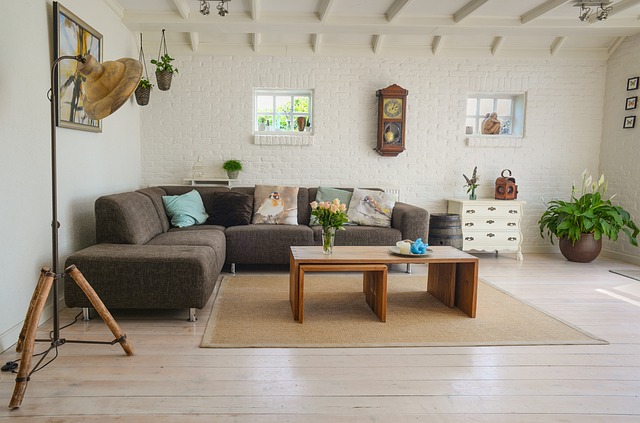
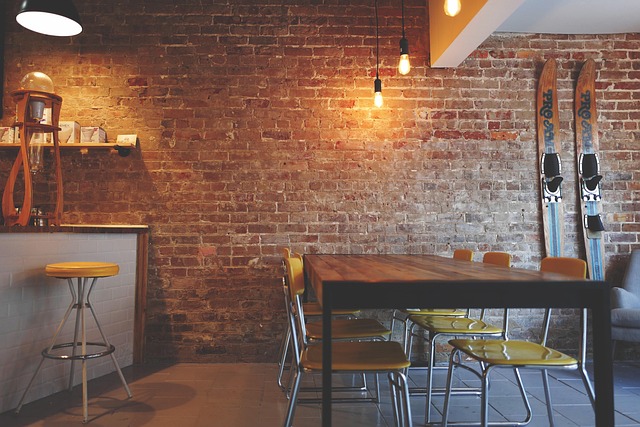


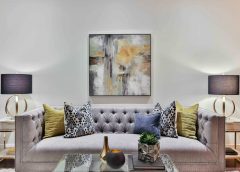
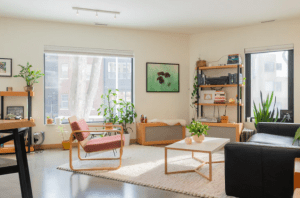 A neutral background ought to be quite convenient as a
 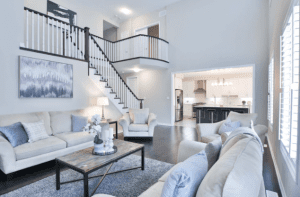 Utilize light planes and place the corresponding fonts. It is possible to use a mixture of floor and table light in rooms, while accent lighting can encircle the walls of art and shelves or fireplaces. A fairytale response is possible with colored light like that used in stores. You can cover walls and windows.
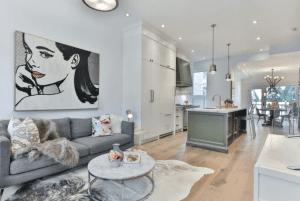 You may make an exceptional location by mixing and matching designs and styles, but you need to ensure the programs don’t compare with one another. Add accent pads once you get bits. Start searching for colors that match one another and incorporate them.