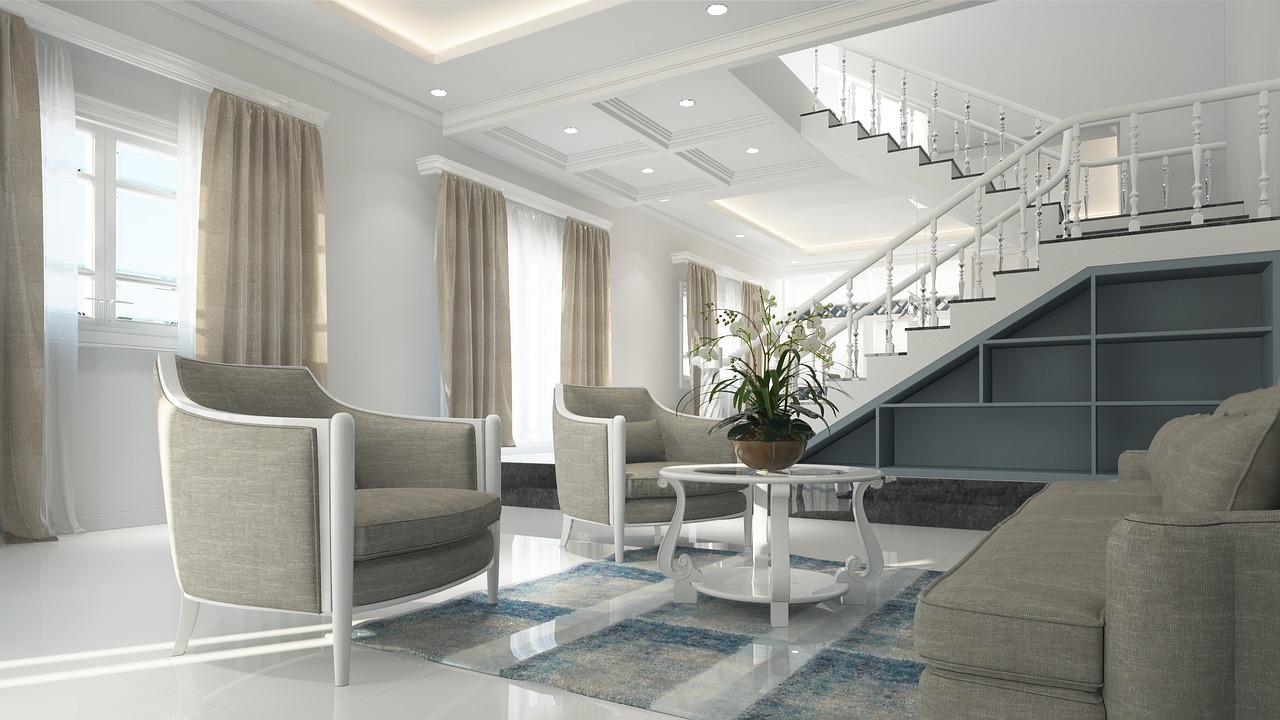
Harmony in interior design is the invisible thread that connects every part of a room. It’s what makes a space feel calm, balanced, and whole. You might not be able to name it when you walk in, but you can feel it. It’s that moment when nothing stands out awkwardly, and everything just fits even when pieces are different. Harmony isn’t about matching. It’s about creating a relationship between things. When done right, it turns a collection of items into a unified experience. For those looking for tips for achieving harmony in home design, repeat colors in different areas, balance shapes and sizes, and make sure each element feels connected in mood or tone. Keep furniture and decor aligned with the room’s function to support both flow and comfort.
The Basics of Harmony
Harmony in design means everything in a space works together. That includes furniture, colors, textures, shapes, and even how the space is used. It doesn’t mean every item must look the same. Instead, it’s about how these elements relate. When a room is in harmony, nothing feels forced or out of place. The eye moves comfortably from one area to the next. There’s no tension, no distraction. Just a sense of ease.
Why Harmony Matters
Without harmony, a space feels unsettled. Even if it’s full of beautiful things, it might still look busy or disconnected. That can affect how people feel when they’re in it. Harmony helps ground the room. It supports function and comfort. It makes sure that style doesn’t get in the way of living. And while it’s easy to focus on standout pieces, the real success of a room often comes down to how everything works as a whole.
Color as a Connector
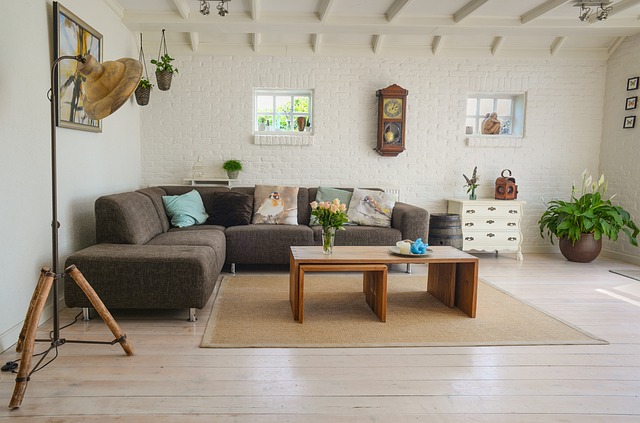
Color is one of the most effective tools for achieving harmony. That doesn’t mean using the same shade on every wall or piece of furniture. It’s about building a palette where tones complement rather than compete. Soft transitions between hues can create a calming effect. Repeating certain colors in different parts of the room on a rug, in artwork, or through accents can help tie it all together. This repetition helps guide the eye and brings unity to the design.
Shape and Scale
Shapes and proportions also play a role. A room full of oversized furniture might feel crowded. A space with only small, delicate items could seem sparse. The key is balance. Combine different shapes and sizes, but keep their relationships in mind. If your sofa has soft, rounded arms, a coffee table with similar curves will echo that form. If one piece is bold or angular, soften it with other elements. These small choices help ensure the parts support the whole.
Texture and Material Consistency
Just like color and shape, textures can build harmony. Combining too many textures without a clear relationship can make a space feel chaotic. Stick to a few key materials and echo them in different areas. For example, if you have natural wood on a dining table, use the same tone or grain on a shelf or picture frame. Mix in contrast sparingly like linen against metal or stone but use these differences to support the room’s feel, not fight against it.
Function Supports Flow
Harmony isn’t only visual. It’s also practical. A harmonious room should feel good to live in. That means items are placed where they make sense, and traffic flow feels natural. If you’re constantly bumping into furniture or straining to reach something, the space isn’t working. Good layout choices ensure the room supports daily life. It should reflect how you use it, not just how you want it to look. This blend of beauty and purpose is where harmony truly shines.
Personal Touches, Not Clutter
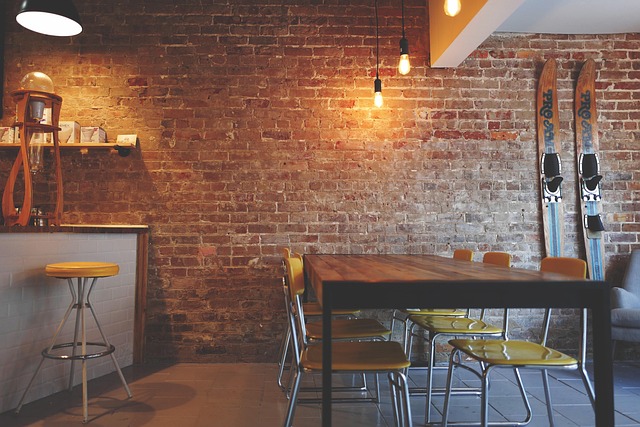
You don’t have to hide your personality to create a harmonious room. Harmony thrives on personal expression when it’s done thoughtfully. Include unique pieces, family items, or meaningful artwork, but place them intentionally. Let them be part of the larger story the space tells. Random decor can interrupt the flow, while carefully chosen elements can add richness and meaning. Harmony allows space for individuality, but with the utmost consideration for balance.
In Conclusion
Creating harmony in interior design doesn’t mean following a strict formula. It’s more about feeling than rules. Trust your eye, but also step back and look at the space as a whole. Ask yourself: Does this room feel calm? Do the pieces relate? Is anything visually jarring? Adjust from ther