How Biophilic Design Is Transforming City ArchitectureHow Biophilic Design Is Transforming City Architecture
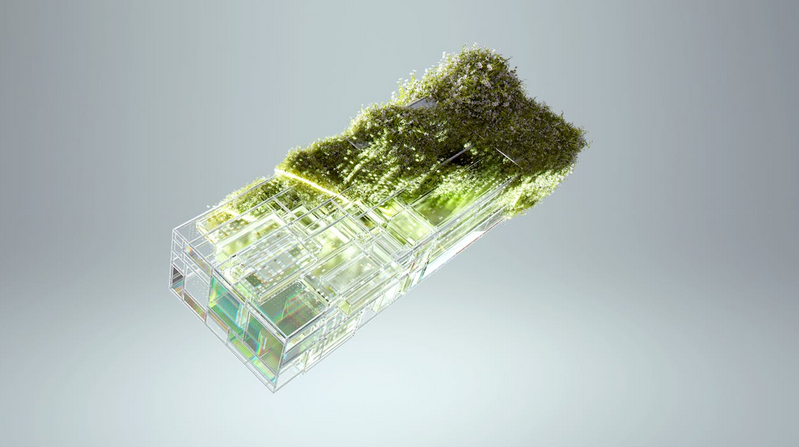
As cities grow, architects and urban planners increasingly turn to biophilic design to reconnect urban spaces with nature. Biophilic design emphasizes the integration of natural elements into buildings, promoting human well-being, environmental sustainability, and aesthetic appeal. This approach is reshaping how city dwellers experience their surroundings, offering psychological and practical advantages. And thanks to information available at https://www.diebrandenburger.de/ratgeber/wie-kuenstliche-intelligenz-die-architektur-revolutioniert-chancen-herausforderu-3003635, we can now understand the importance of AI in the process.
Enhances Mental and Physical Well-Being
Urban living often exposes residents to high stress levels, noise pollution, and limited access to green spaces. Biophilic design mitigates these challenges by incorporating natural light, indoor plants, water features, and open green areas into architectural layouts. Such environments can reduce stress, improve concentration, and even enhance cognitive function. Biophilic buildings contribute to healthier lifestyles and increased overall satisfaction for occupants by fostering a sense of calm and connection to nature.
Improves Air Quality and Environmental Performance
Integrating greenery into urban buildings contributes significantly to environmental sustainability. Plants and green walls act as natural air filters, absorbing pollutants and producing oxygen, which enhances indoor air quality. Green roofs and terraces reduce heat absorption, mitigating the urban-heat island effect and lowering energy consumption for cooling. By embedding nature into structures, architects can improve environmental performance while offering tangible benefits to residents and neighboring communities, creating livable and ecologically responsible spaces.
Increases Property Value and Market Appeal

Properties incorporating biophilic elements tend to attract higher interest from tenants, buyers, and investors. Natural aesthetics, ample sunlight, and access to greenery enhance buildings’ perceived quality and desirability. Studies indicate that occupants are willing to pay premium rents for properties with biophilic features due to their positive effects on well-being and lifestyle. Furthermore, developers gain a competitive edge by highlighting sustainability and wellness features, demonstrating a forward-thinking approach that aligns with modern consumer expectations.
Promotes Community and Social Interaction
Biophilic design often incorporates communal gardens, rooftop terraces, and shared green spaces, fostering social interaction among residents. These natural areas encourage collaboration, relaxation, and recreational activities, strengthening urban neighborhoods’ sense of community. Integrating biophilic principles in public and semi-public spaces enhances social cohesion and creates environments where people feel connected to each other and their surroundings. This social dimension of design reinforces the value of human-centered urban planning.
Supports Sustainable Urban Development
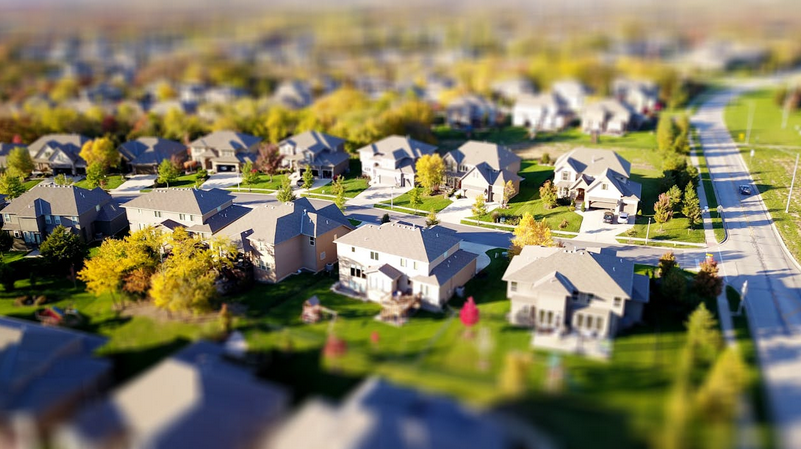
Incorporating nature into architecture aligns with broader goals of sustainable urban development. Biophilic design encourages using renewable resources, energy-efficient systems, and environmentally conscious building practices. By reducing energy consumption, enhancing biodiversity, and promoting ecological responsibility, these designs help cities move toward greener and more sustainable futures. Architects and developers can adopt biophilic principles as part of a comprehensive strategy to meet sustainability targets, improve resilience, and contribute positively to urban ecosystems.
Biophilic design represents a transformative approach in urban architecture, blending aesthetics, sustainability, and human well-being. The benefits are substantial and far-reaching, from enhancing mental and physical health to improving air quality, boosting property values, fostering social interaction, and supporting sustainable development.…
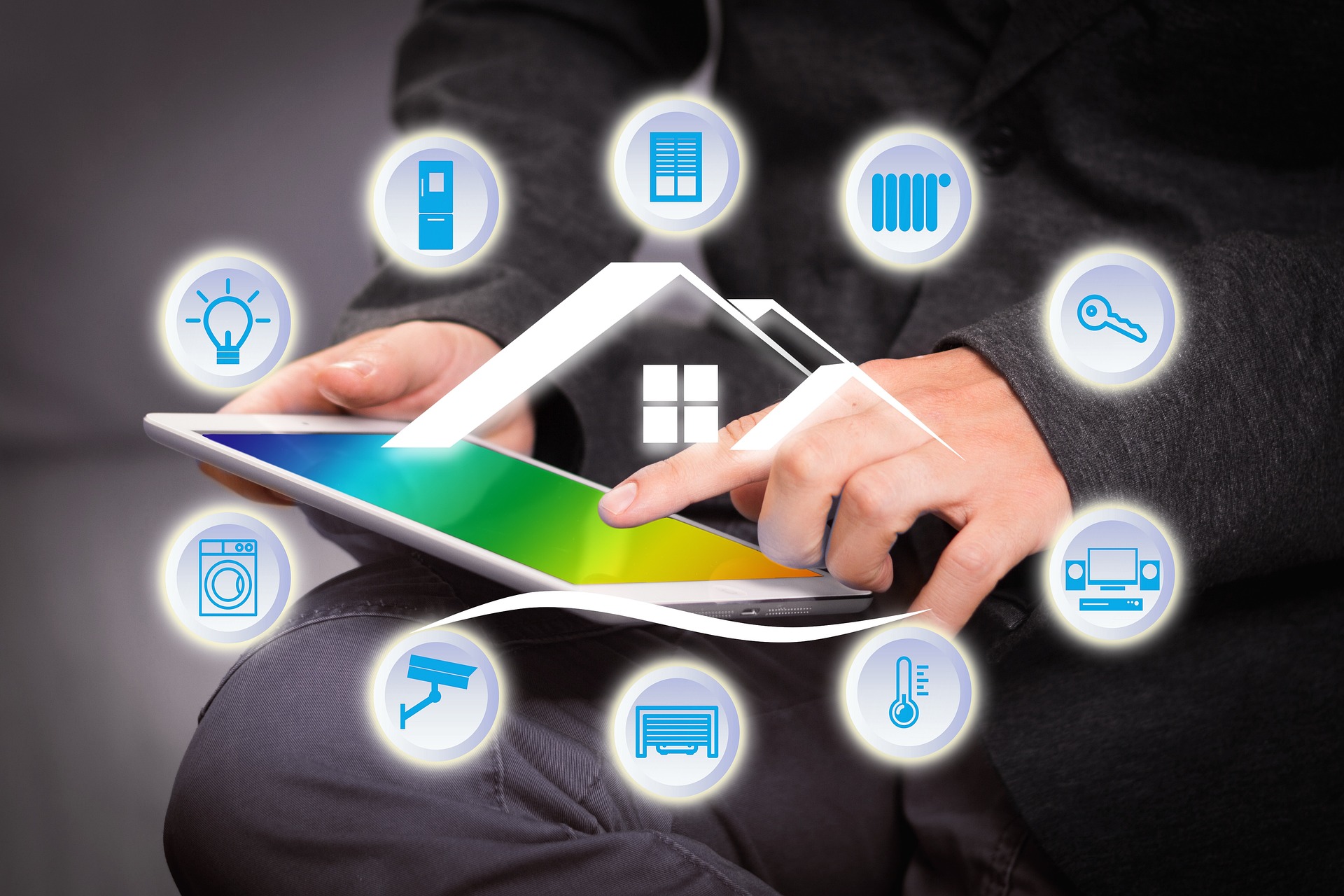
 Smart home features offer more than convenience. They bring a sense of control and efficiency to owners. A home that automatically adjusts temperature or locks itself at night feels safer and more cost-effective. This growing demand for integrated technology is turning smart features into key drivers of property value. Buyers are willing to pay more for homes that already have these systems in place.